


Please fill out the form below to request a quote or to request more information about us. please be as detailed as possible in your message, and we will get back to you as soon as possible with a response. we're ready to start working on your new project, contact us now to get started.
OEM & ODM Services For Your Protective Covers.

How to Choose the Perfect Tailgate Pad for Your Surfboard
2025-11-18
JK Cover
55
Before you even hit the water, the tailgate pad is your first line of defense. Whether you're transporting your surfboard to a local beach, moving it from the car to the board rack, or packing it for a trip, a quality tailgate pad ensures both your surfboard and your vehicles tailgate remain in pristine condition.
Understanding the Basics: Key Features of Tailgate Pads
A tailgate pad is more than just a piece of foam or rubber; its a multi-functional accessory designed to absorb shocks, protect your board from damage, and even keep it stable during transit. To evaluate a tailgate pad, consider the following key features:
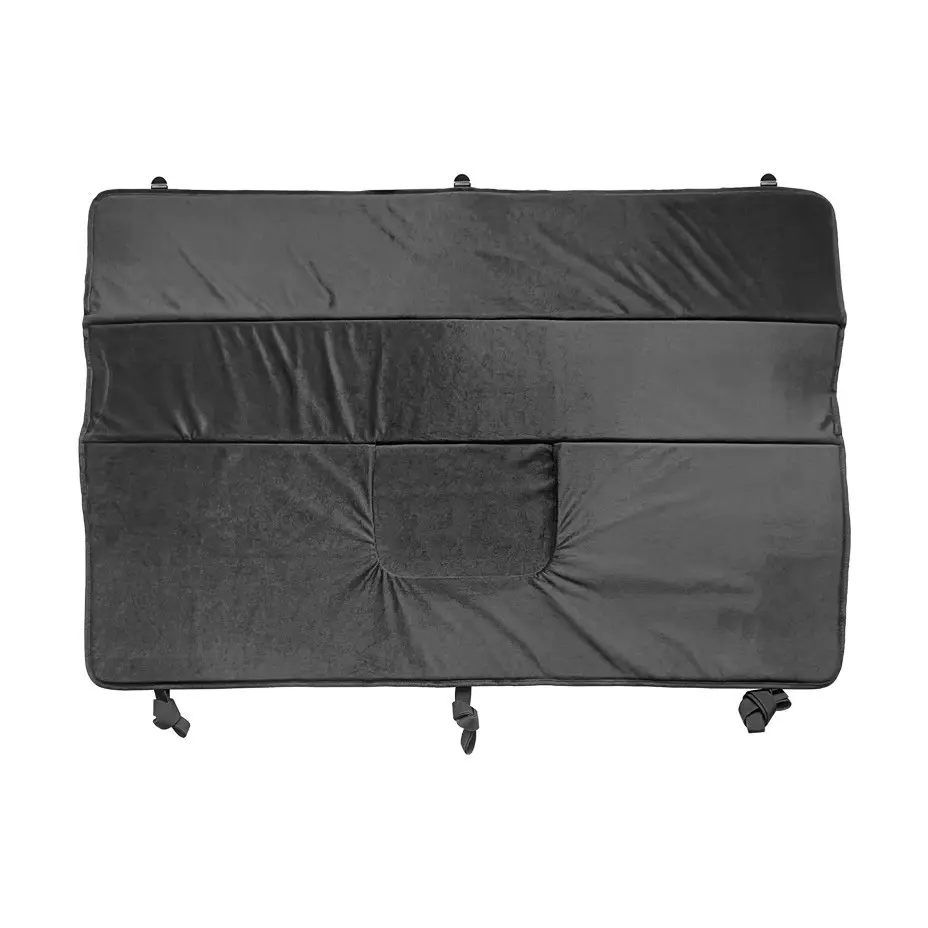
Material: The primary material determines the pads durability and flexibility. Options include foam, rubber, neoprene, and even carbon fiber. Foam and neoprene are the most common, offering varying degrees of cushioning and shock absorption.
Thickness: Thicker pads provide more cushioning, which is ideal for boards that require extra support, like longboards. Thinner pads are better for shortboards or boards that dont need as much padding.
Surface Texture: Some pads have a rough texture to grip the edges of the board, while others are smooth for a more comfortable ride. The texture can also help protect the board from sharp edges or debris.
Size and Weight: The size and weight of the pad are crucial to ensure it fits your board and your hand. A pad that is too small or too heavy can cause discomfort or even restrict your grip.
Closure: Most tailgate pads come with a drawstring or Velcro closure to keep your board secure while youre moving it.
Understanding these features will help you choose a tailgate pad thats tailored to your specific needs.
Identifying Your Specific Needs: Considerations for Different Surfboard Types
Different surfboard shapes and sizes require different tailgate pads. Lets break it down:
Shortboards: These are typically lightweight and short, making them great for short distances. A soft, thick pad is ideal for shortboards since theyre lightweight and prone to tipping over during transit.
Longboards: Longboards are heavier and wider, making them more stable. A firmer pad is better for longboards to absorb shocks and prevent damage.
Foam Boards: Foam boards can be breakable, so a pad with a high density of cushioning is essential to protect both the board and the pad itself.
High-Performance Boards: These boards are designed to handle long distances and high speeds. Opt for a pad with a durable material and a snug fit to ensure stability.
Custom Boards: If you have a custom or unique board, consider the specific requirements. Some boards may need a pad with a specific texture or thickness to prevent damage.
By understanding your boards unique needs, you can select a tailgate pad that provides the best protection and stability.
In-Depth Comparison: Materials and Their Benefits
Lets dive deeper into the materials commonly used in surfboard tailgate pads:
Foam: Foam is the most common material due to its affordability and excellent cushioning properties. Soft foam pads provide maximum padding, which is great for shortboards. However, they can be heavy and may not offer the best protection for high-performance boards.
Rubber: Rubber pads are durable and can withstand more impact than foam. Theyre a good choice for longboards and boards that require a snug fit.
Neoprene: Neoprene is a synthetic rubber material known for its durability and resistance to liquids. Its a popular choice for high-performance boards and custom boards.
Carbon Fiber: While not common, carbon fiber tailgate pads offer exceptional durability and a sleek design. Theyre typically more expensive and are often reserved for professional or custom boards.
Each material has its pros and cons, so its important to choose based on your boards specific needs.
Practical Tips for Installation and Removal
Installing and removing a tailgate pad may seem like a daunting task, but its actually quite straightforward. Heres what you need to know:
Preparation: Before attaching the pad, clean and dry the board and the tailgate thoroughly. This ensures a secure grip and prevents any dust or debris from causing damage.
Installation: Most tailgate pads come with a drawstring or Velcro closure. Loop the drawstring through the boards edge or sew it into place for a custom fit. For easier removal, ensure the pad is snug but not too tight.
Testing: Before transporting, test the pad by gently moving the board. If the pad feels secure and the board remains stable, its likely the right choice.
Storage: After removing the pad, fold it neatly and store it in a shaded, dry place to maintain its condition.
Maintenance and Care: Keeping Your Tailgate Pad in Top Condition
Proper care extends the life of your tailgate pad and ensures it remains effective for years to come. Here are some maintenance tips:
Cleaning: Avoid using harsh cleaning agents that could damage the pad. Wipe away dirt and debris with a soft, damp cloth to prevent mildew and mold.
Storage: Store the pad in a cool, dry place to prevent deformation or mold growth. Avoid leaving it in direct sunlight, as UV rays can weaken the material over time.
Inspecting: Periodically check the pad for wear and tear. If you notice any damage, such as tears or unevenness, replace the pad to ensure optimal performance.
By taking care of your tailgate pad, youll ensure it remains a reliable accessory for years to come.
Advanced Features and Innovations: Future Trends in Surfboard Tailgate Pads
The surfboard tailgate pad industry is constantly evolving, with new innovations emerging to meet the needs of modern surfers. Here are some of the latest trends:
Anti-Slip Coatings: Some pads now feature anti-slip coatings to prevent boards from slipping during transit. This is especially useful for shortboards or boards with sharp edges.
Integrated Carrier Systems: Some pads come with integrated loops or buckles that allow you to attach a surfboard carrier or pannier for secure storage.
Eco-Friendly Materials: Many manufacturers are now offering eco-friendly materials, such as biodegradable or recycled materials, to reduce the environmental impact of tailgate pads.
Smart Technology: Some pads are equipped with sensors or apps that provide real-time feedback on board stability, helping surfers make adjustments mid-ride.
These innovations are designed to enhance your surfing experience, making your tailgate pad an integral part of your setup.
Making the Right Choice for Your Surfboard and Ride
Choosing the right surfboard tailgate pad is just as important as the surfboard itself. By considering factors like material, thickness, surface texture, and board type, you can select a pad that provides the perfect balance of protection, comfort, and stability.
So, the next time youre packing your surfboard, make sure to bring along a high-quality tailgate padyour surfboards best friend on the water.
Table of Contents
GET IN TOUCH WITH Us
Ready to work with us ?
Products
Contact Us
Contact Person: Johnson
Tel: 86-13386615919
Mail: info@jkcorp.cn
Add: No 88, Lane 225, Kaiyuan Rd, Hongtang, Jiangbei, Ningbo
Copyright © 2026 JK | Sitemap | Privacy Policy